


What Is Children’s Day in Japan?
Children’s Day (Kodomo no Hi) is celebrated on May 5 and is part of Japan’s Golden Week holiday period. It is a national holiday dedicated to children’s happiness, growth, and well-being.
How did Children’s Day Start?
Children’s Day originated from an ancient Chinese seasonal festival called Tango no Sekku. In early Japan, this time of year was seen as a seasonal transition when illness was more common, so people used plants like iris (shōbu) to ward off bad spirits.
During the samurai era, the meaning of the holiday shifted. The word shōbu is associated with a term meaning “martial spirit,” which connected the tradition to boys and warrior values like strength and success.
In 1948, Japan officially established May 5 as Children’s Day to celebrate all children, support their happiness, and express gratitude toward mothers.
Common Traditions
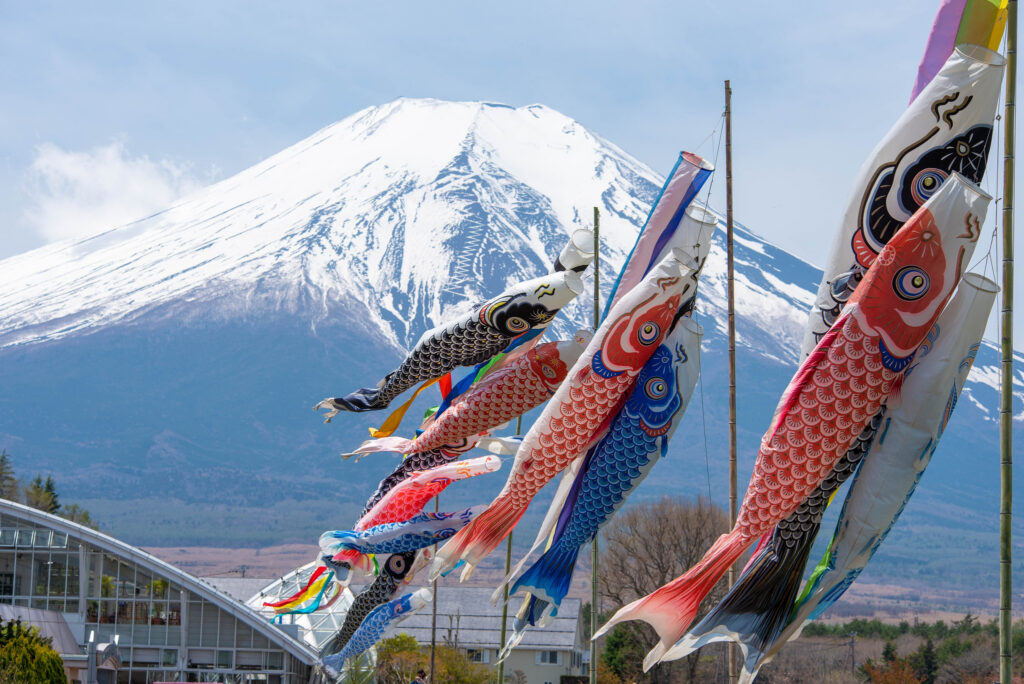
Families celebrate in several visually distinctive ways. One of the most famous is koinobori (carp streamers), which symbolize perseverance and success based on a Chinese legend.

Koinobori (carp streamers) are displayed to symbolize strength and success in Children’s Day traditions.
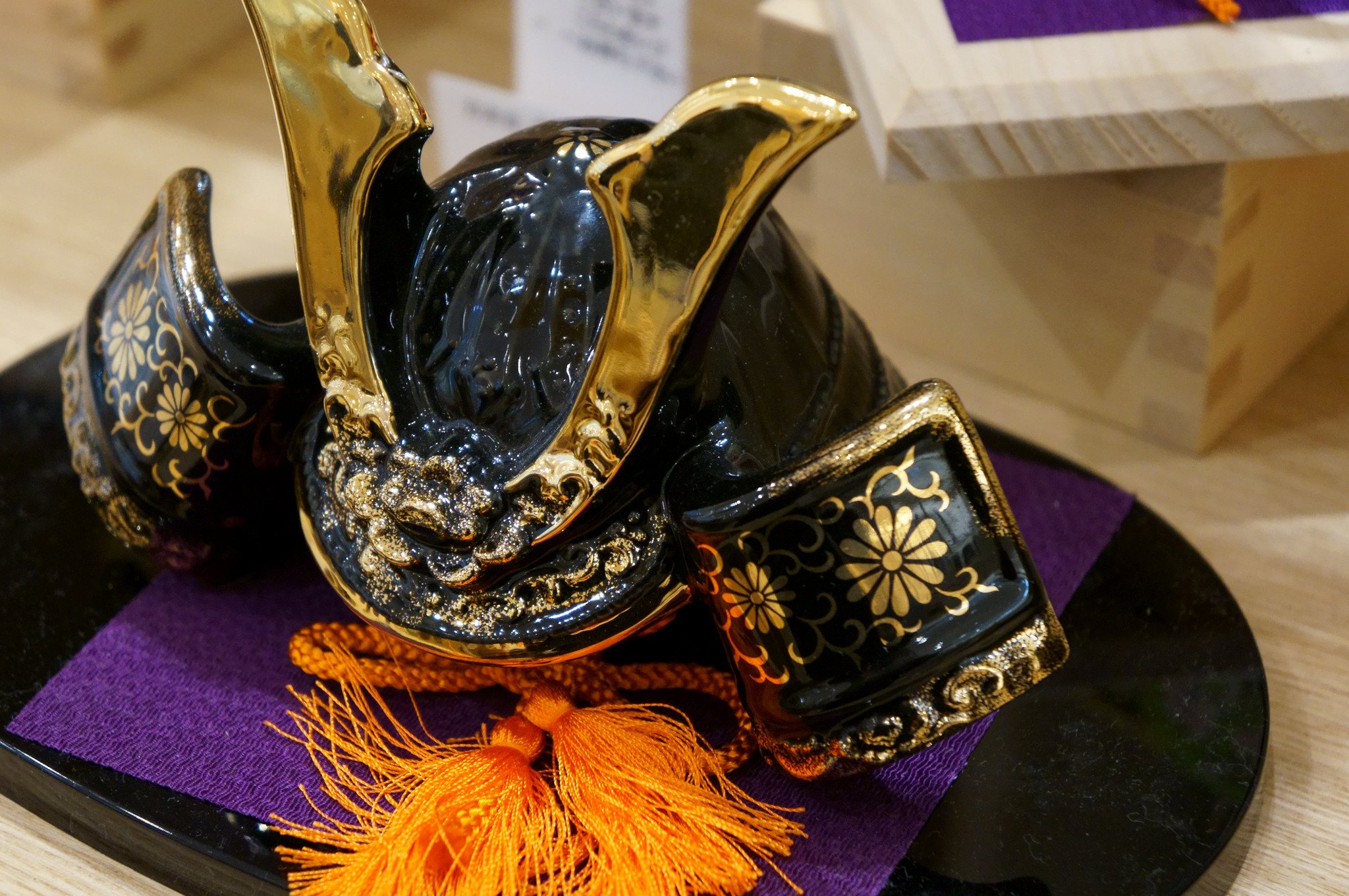
Kabuto (samurai helmets) are displayed to protect children and represent strength.
Samurai helmets or dolls are also displayed to wish for children’s safety and strength.
Traditional foods like kashiwa mochi are eaten because oak leaves symbolize family continuity.

Kashiwa mochi is a traditional Children’s Day sweet wrapped in oak leaves.
Another custom is bathing with iris leaves, believed to promote health and protection.

Shobu (iris) baths are believed to ward off illness and bring good health.
What It Reveals About Japanese Culture
Children’s Day reflects key values in Japanese society, including perseverance, family continuity, and an appreciation for the seasons.
For international students, holidays like this offer a chance to notice how these values appear in everyday life—through decorations in neighborhoods, seasonal foods in stores, and the atmosphere across the city.
In Tokyo, students at KCP International can experience this firsthand simply by being out in the city during the holiday. From koinobori displayed in local areas to spring events and family outings, Children’s Day becomes something you don’t just learn about—you naturally encounter it as part of daily life.
To learn more about experiencing student life in Tokyo firsthand, visit: /student-life/